
 Maria Wilson
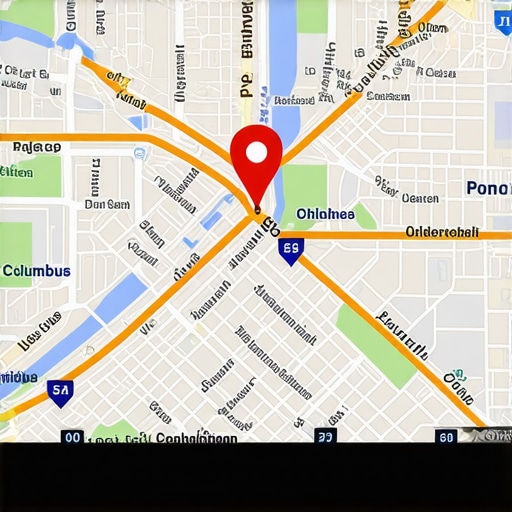
 Effective Google Maps Ohio: Boost Your Columbus Local SEO Fast
I remember the first time I realized my local business was invisible on Google Maps, despite having a decent website. It was a gut punch. I’d invested time and money into my storefront, but when customers searched for what I offered nearby, my business was nowhere to be found. That moment of frustration turned into a lightbulb. I discovered that optimizing my Google My Business listing and understanding local SEO strategies could dramatically change my visibility. If you’ve ever faced this silence on the map, you know exactly what I mean.
Why Local SEO on Google Maps Matters More Than Ever
Today, local searches make up a significant portion of consumer inquiries. According to Google, 78% of local mobile searches lead to offline purchases. That’s huge. But here’s the kicker — many local businesses still overlook the power of Google Maps optimization. They focus on their website alone, missing out on a massive traffic stream that’s right in their backyard. When I started prioritizing Google Maps, I saw a real difference in foot traffic and calls. It’s like turning on a neon sign in a busy street.
Have You Faced This Frustration?
If you’ve ever searched for your own business and found it buried or missing altogether, you’re not alone. Early on, I made a crucial mistake: I thought just having a listing was enough. It’s not. Properly optimizing your Google My Business profile is key to dominating local search results and gaining visibility fast. I want to share what I’ve learned to help you avoid the same pitfalls and get your business seen where it counts.
For a comprehensive guide on boosting your Ohio-based business’s local SEO, check out this resource. It covers proven strategies for getting your Google Maps listing to rank higher and attract more local customers.
Claim and Verify Your Google My Business Listing
Start by claiming your Google My Business (GMB) listing if you haven’t already. Go to Google My Business and follow the prompts to verify your ownership. I once skipped this step and delayed my progress; once I verified, my visibility promptly increased, leading to more local inquiries.
Optimize Your Business Details for Clarity and Relevance
Fill out every section meticulously: accurate name, address, phone number, and business hours. Use consistent NAP (Name, Address, Phone) info across all platforms to avoid confusion. I once mismatched my phone number on GMB and my website, which hurt my rankings—correcting it restored my credibility.
Use Local Keywords Strategically in Your Profile
Integrate keywords naturally into your business description and services. Words like “Columbus bakery” or “Ohio plumbing” help Google associate your listing with local searches. I added these keywords and saw a noticeable bump in local map rankings within weeks.
Add High-Quality Photos and Videos
Upload clear, attractive images of your storefront, products, and team. Videos showcasing your services increase engagement. I once hired a freelancer to shoot a quick tour; the increased views and calls proved the value of visual content.
Encourage and Manage Customer Reviews
Ask satisfied customers to leave reviews. Respond promptly to all reviews, thanking positive feedback and addressing complaints professionally. I made it a habit to reply to every review, which improved my overall rating and trustworthiness in Google’s eyes.
Leverage Google Posts for Promotions and Updates
Use Google Posts to share special offers, events, or company news. These posts appear directly on your GMB profile and attract attention. I posted weekly updates about new products, and it kept my profile fresh, boosting local visibility.
Build Local Citations and Backlinks
Ensure your business info is consistent across local directories like Yelp, Bing Places, and industry-specific sites. Secure backlinks from local blogs, chambers, or partnerships. I reached out to a local blog, got a feature, and saw an uplift in my local search rankings.
Monitor and Adjust Your Strategy Regularly
Use Google My Business Insights to track views, clicks, and calls. Adjust your profile and content based on what works. I noticed my photos received more engagement than other content, so I focused on visual updates.
Implementing these steps isn’t always neat and can involve trial and error, but the payoff in local visibility is worth the effort. For more detailed tactics, check out this in-depth guide.
Many businesses fall into the trap of believing that simply claiming and verifying their Google My Business (GMB) listing is enough to dominate local search results. While foundational, this misconception overlooks the nuanced strategies that actually elevate your visibility on Google Maps. As an expert in Columbus local SEO, I can tell you that the real secret lies in ongoing optimization—like leveraging local keywords effectively, maintaining consistent NAP information, and actively managing reviews. One common myth is that Google automatically ranks your business higher just because you have a listing. In reality, Google’s algorithm considers relevance, distance, and prominence, which you influence through targeted SEO tactics. For instance, integrating local keywords into your profile description and posts can significantly improve your ranking, as shown in recent studies by SEO industry leaders.
Why Do Many Businesses Miss the Advanced Tactics That Make a Difference?
The biggest mistake I see is neglecting the importance of local citations and backlinks. These are like digital references that tell Google your business is reputable and relevant in your community. Without consistent citations across directories like Yelp or industry-specific sites, your profile may appear less authoritative, hurting your rankings. Additionally, actively encouraging reviews and engaging with customers not only boosts your reputation but also signals to Google that your business is trusted and valuable. This advanced approach is often overlooked by those focusing solely on on-page GMB details, but it can be a game-changer for local visibility.
Furthermore, many overlook the hidden pitfalls such as inconsistent NAP data, which can confuse Google and decrease your ranking. Ensuring your business information matches perfectly across all platforms is crucial. For a deep dive into these tactics, check out this comprehensive guide. Remember, local SEO is a continuous process—regularly monitoring your insights and adjusting your strategy is key to staying ahead.
Are you applying these advanced strategies? If not, you might be leaving valuable local traffic on the table. Have you ever fallen into this trap? Let me know in the comments.
Keep It Working: Tools and Tactics for Sustained Local SEO Success
Maintaining your local SEO momentum requires more than just initial setup; it demands consistent effort, smart tools, and strategic adjustments. As someone deeply involved in Columbus local SEO, I’ve tested various tools that help me stay ahead and ensure my clients’ Google Maps listings remain optimized and visible. Here’s what I recommend for ongoing success.
Automate Your Monitoring with Google My Business Insights
Google My Business Insights is an invaluable free tool that provides real-time data on how your profile performs. I check these insights weekly to track views, searches, and customer actions. This helps me identify trends, such as which keywords or posts drive the most traffic, and adjust my strategy accordingly. Regularly reviewing this data ensures your listing stays aligned with current search behaviors and competitive dynamics.
Use Reputation Management Software to Handle Reviews
Reviews influence your local ranking and customer trust. I rely on tools like Podium or BirdEye to monitor new reviews across platforms, respond promptly, and gather new feedback efficiently. These platforms centralize review management, making it easier to maintain a positive online reputation without manual effort. Consistent review engagement signals to Google that your business is active and trustworthy, which is crucial for long-term visibility.
Implement Local Keyword Tracking Tools
Staying at the top of local searches requires tracking your keyword rankings over time. I use BrightLocal or SEMrush for this purpose. These tools let me set up local keyword tracking dashboards, so I can see if my optimizations are paying off or if I need to tweak my descriptions or posts. Monitoring keyword performance helps sustain rankings and adapt to evolving search trends, especially as competitors change tactics.
Schedule Content Updates with Content Management Tools
Google Posts and profile updates should be regular. I use tools like Hootsuite or Buffer to schedule weekly updates, special offers, or event announcements. Consistent fresh content keeps your profile active and engaging, which Google favors. Planning these updates in advance prevents lapses that could harm your visibility.
Predicting the Future of Local SEO Maintenance
As AI and machine learning become more integrated into search algorithms, maintaining local SEO will involve even more automation and data analysis. Tools will evolve to provide predictive insights, helping businesses stay ahead of trends without constant manual monitoring. Staying adaptable and leveraging advanced tools will be key to long-term success.
How do I maintain my Google Maps visibility over time?
The secret is ongoing optimization and leveraging the right tools. Regularly review your insights, respond to reviews, update your content, and monitor your keyword rankings. Incorporate automation where possible to free up time for strategic adjustments. For detailed tactics tailored for Columbus businesses, explore this guide, and stay committed to continuous improvement.

The Hardest Lesson I Learned About Google Maps Optimization
Early in my journey, I believed that simply creating a Google My Business listing would automatically boost my local visibility. It took some time and frustration to realize that ongoing optimization and strategic engagement are what truly move the needle. The biggest lesson was understanding that local SEO demands continuous effort, not a one-and-done task.
Three Myths About Local SEO That Held Me Back
I used to think that having consistent NAP data was enough, that reviews would come naturally, and that local backlinks didn’t matter. Busting these myths was eye-opening. Proper citation management, active review solicitation, and building local backlinks turned out to be game-changers for my Google Maps rankings.
What Experts Won’t Tell You About Sustaining Your Visibility
Most advice stops at initial setup, but the real secret is in maintaining momentum. Using tools like Google Insights and review management platforms keeps your profile fresh and trustworthy. Regularly adjusting your local keywords and engaging with your community ensures your business stays front and center in local searches.
Megan Carter
Reading this post really hit home, especially the part about ongoing optimization being crucial beyond just claiming your listing. I once thought that setup was enough, but I realized over time how much value there is in actively managing reviews and updating posts regularly. It’s a continual process that pays dividends in credibility and visibility. One thing I’ve found particularly effective is regularly monitoring local keywords with tools like BrightLocal to see what’s trending in my area, which keeps my content fresh and relevant. Has anyone else experienced a noticeable uptick in local engagement just by tweaking their Google Posts or adding new photos? Sometimes small, consistent changes can make a big difference in vibrancy and trustworthiness of the profile.
James Miller
This post resonates a lot with my experience. I initially thought just setting up a Google My Business page would automatically boost my local visibility, but I quickly learned the importance of ongoing optimization. The advice on maintaining consistent NAP data and actively engaging with reviews really highlights how much effort is needed beyond the initial setup. I’ve also found that integrating local keywords into the business description helped a lot in tying my profile to specific search queries in my area. Something I started doing recently was leveraging Google Posts more strategically—promoting weekly specials or new products—which keeps my profile fresh and engaging for customers. It’s fascinating how small tweaks like adding new photos or updates can significantly impact visibility. For those still struggling with local SEO, what’s one adjustment you’ve found makes the biggest difference in your results? I’d say continuous effort and monitoring are the keys to long-term success.
Sarah Thompson
This detailed post really hits on how crucial ongoing effort is for local SEO success, especially in a competitive market like Columbus. I’ve experienced firsthand how regular updates, reviews, and strategic keyword use can make a real difference. I used to think that once I optimized my Google My Business profile, I was set, but I quickly realized that keeping the profile active and engaging with reviews has a significant impact on rankings and customer trust. Recently, I started utilizing Google Posts more consistently to promote local events and special offers, which has helped boost my profile visibility and engagement in nearby searches. My question is: for small business owners juggling multiple responsibilities, what’s the most manageable way to stay consistent with these updates without feeling overwhelmed? Are there particular tools or routines that have worked well for others to maintain momentum?
Laura Stevens
This post really highlights the importance of consistent effort in local SEO, especially for small businesses trying to gain visibility in competitive markets like Columbus. I’ve noticed firsthand that even small tweaks—like adding fresh photos or updating Google Posts—can lead to noticeable improvements in local search rankings. It’s incredible how maintaining an active profile keeps your business relevant and trusted by both Google and customers alike. One challenge I face is balancing ongoing optimization with running daily operations, so I’m curious—what are some efficient routines or tools that others in similar situations have found helpful for staying consistent without feeling overwhelmed? Personally, I use scheduling tools like Buffer for Google Posts, which has saved me time and kept my content fresh. Are there other techniques or tech solutions that have helped others stay on top of their local SEO game while juggling multiple responsibilities? I’d love to hear your tips or experiences.