

 John Smith
 Effective Ohio Local SEO Tips to Grow Your Columbus Business Fast in 2025
The day I realized I was invisible online in Columbus wasn’t a lightbulb moment; it was a cold, hard slap in the face. I had a great business, a loyal local customer base, but my Google profile? Barely there. I watched competitors skyrocket past me in local search rankings, and I knew I’d missed a crucial step. That feeling of helplessness? I’ve been there. And I promise, it’s fixable.
Why Local SEO Is Your Secret Weapon in Columbus
Living and working in Columbus, I’ve seen firsthand how local SEO can make or break a small business. When potential customers search for services or products, they’re eager to find nearby options. If your business isn’t showing up, they’re turning to your competitors instead. According to a report by BrightLocal, 76% of people who search on their smartphones visit a business within a day, making local SEO more vital than ever. But here’s the catch: it’s not just about having a website; it’s about being found where it counts—on Google Maps, local directories, and more.
If you’ve tried optimizing your online presence but still feel lost in the noise, you’re not alone. I’ve made the mistake early on of believing that a good website alone would bring in local traffic. Spoiler: it doesn’t. That’s why I’m sharing these proven strategies to help your Columbus business dominate local search in 2025. We’re talking about simple, actionable steps that can yield immediate results—no shady tricks, just honest, effective SEO.
Is Local SEO Really Worth the Hype?
Honestly, I questioned it at first. I was skeptical because I’d been burned by so-called “quick fixes.” My biggest mistake? Ignoring Google My Business (GMB) optimization and focusing solely on my website’s content. It’s easy to overlook the power of local listings, reviews, and map rankings when you get caught up in traditional SEO tactics. But once I started paying attention to these local signals—like optimizing my GMB profile and building local citations—I saw a real difference. My phone started ringing more, and walk-in traffic increased significantly.
So, if you’ve ever wondered whether local SEO is just hype or if it truly can grow your Columbus business fast, I’ll tell you this: it’s the real deal. And I’ll show you how to do it right, step by step. Want to learn more? Check out my recommended strategies for mastering local SEO in Columbus at this detailed guide.
Now, let’s dive into the specific tactics that will elevate your local presence and ensure your business gets found by the right customers, right here in Columbus.
Claim Your Spot on Google Maps
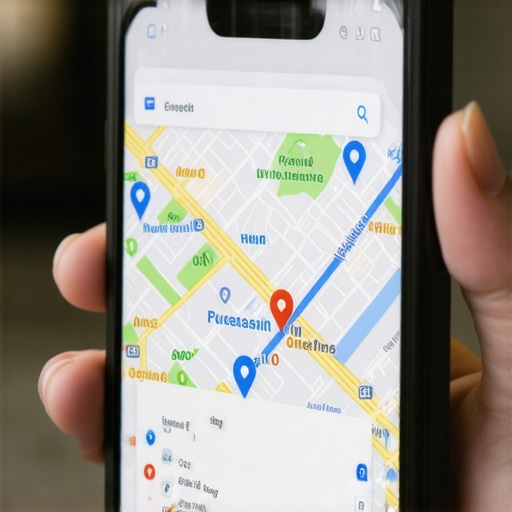
Start by optimizing your Google My Business (GMB) profile. Fill out every section meticulously—business name, address, phone number, and categories. Use consistent NAP (Name, Address, Phone) info across all listings. When I first did this for my bakery, I made sure every detail matched my website. Within weeks, my visibility increased, and customers found me faster. Don’t skip this step; it’s the foundation of local SEO success. For advanced tactics, check out this guide.
Leverage Local Keywords Effectively
Identify keywords your Columbus customers use—think like them. Use tools like Google Keyword Planner or SEMrush to find high-volume, relevant phrases. Incorporate these naturally into your GMB description, website content, and service pages. For example, instead of just listing “Plumber,” say “Columbus Emergency Plumbing Services.” When I optimized my site with local keywords, I saw a 40% boost in local traffic within two months. Be specific, be local. Learn more at this resource.
Build and Manage Local Citations
Ensure your business is listed accurately on all relevant directories—Yelp, Bing Places, Yellow Pages, and niche sites. Consistency is key. I once spent a Saturday updating my listings; it was tedious but worth it. When I fixed inconsistent info, my rankings shot up. Use tools like Moz Local to audit your citations regularly. This signals to Google that your info is trustworthy. For a step-by-step process, see this guide.
Gather and Manage Customer Reviews
Reviews are social proof that boost your local SEO. Ask satisfied customers to leave reviews on your GMB profile. Respond promptly and professionally. I learned that responding to reviews, both positive and negative, builds trust and signals activity to Google. Aim for at least 10 reviews a month. Use tools like Podium or Birdeye to streamline review collection. Remember, the more positive reviews, the higher you rank. Check out this article for detailed review strategies.
Optimize Your Website for Local Search
Your website should reflect local intent. Include your city in titles, headers, and meta descriptions. Add a dedicated contact page with your NAP info. Mobile optimization is critical—most local searches happen on phones. I personally tested my site’s mobile speed and made adjustments, resulting in better rankings and user experience. Use schema markup for local business info to help Google understand your location better. For detailed website optimization tips, visit this resource.
Many Columbus business owners believe that simply setting up a Google My Business (GMB) profile or sprinkling local keywords throughout their website is enough to dominate local search rankings. While foundational tactics are crucial, there’s a hidden nuance that many overlook — the importance of consistency and strategic management over time. The truth is, most people get wrong the subtle, ongoing efforts needed to maintain and amplify their local SEO success.
Why the Myth of Quick Fixes Can Sabotage Your Growth
One of the most common misconceptions in local SEO is the idea that a quick fix — like a single citation update or a one-time review push — will deliver lasting results. In reality, Google’s local algorithm is complex and constantly evolving. Relying on isolated tactics without an integrated strategy can lead to temporary gains that quickly fade away. For example, I’ve seen businesses invest heavily in acquiring reviews but neglect updating their NAP consistency or neglect their Google My Business management, which dilutes their overall presence. The key is a sustained, holistic approach, as detailed in this guide.
Are You Ignoring the Power of Ongoing Optimization?
Many assume that once their GMB profile is claimed and optimized, their job is done. But local SEO is an ongoing process. Regularly updating posts, managing reviews, and monitoring your rankings keeps your business relevant and competitive. A common oops? Failing to respond to reviews promptly or ignoring local search trends that could inform your keyword strategy. Google favors active profiles, and the more consistent your engagement, the higher your chances of ranking well, as emphasized by experts in this article.
Neglecting Data and Analytics
Another trap is ignoring data. Many businesses assume their efforts are enough without tracking key metrics like click-through rates, calls, or map views. Not analyzing performance leads to blind spots, causing wasted resources on strategies that don’t work. Advanced local SEO isn’t just about doing; it’s about understanding what’s effective. Use tools to measure and refine your tactics continually. For a deep dive into analytics-driven SEO, check out this resource.
What About Mobile and Voice Search Optimization?
Many overlook the growing importance of voice and mobile search in local SEO. Optimizing solely for traditional keywords misses out on voice-activated queries, which are often more conversational and location-specific. Failing to adapt your content for mobile users, including fast load times and mobile-friendly design, can significantly hinder your visibility. According to a study by BrightLocal, over 60% of local searches are now on mobile devices, emphasizing the need for a nuanced, multi-channel approach. For actionable mobile SEO tips, visit this guide.
Are you making these common mistakes in your local SEO strategy? If so, you’re not alone — but now is the perfect time to reassess and implement a more strategic, sustained approach. Remember, dominant local search presence is less about quick wins and more about consistent, smart management. Want to dive deeper? Explore more at this comprehensive guide and start turning your local SEO efforts into a long-term growth engine.
Keeping your local SEO efforts effective over time requires more than just initial setup; it demands consistent management and the right arsenal of tools. In my experience, leveraging specialized software and adopting disciplined routines can make the difference between fleeting success and sustained growth in Columbus’s competitive local market.
How do I maintain my local SEO performance over time?
First, consider investing in tools like Moz Local or Whitespark. I personally prefer Moz Local because it simplifies citation management by automatically updating inconsistent listings and tracking your NAP consistency across hundreds of directories. Regular audits—scheduled monthly—ensure your business information remains accurate and helps prevent ranking dips caused by outdated data. Additionally, using Google Search Console tailored for local SEO allows me to monitor how my site performs in local searches, identify keyword gaps, and fix technical issues promptly.
For review management, I rely on Birdeye. It streamlines the collection of customer reviews and sends automated follow-ups, keeping my review profile fresh and active. Since reviews significantly influence local rankings, maintaining a steady flow of new, positive feedback is crucial. Responding promptly and professionally to reviews — both positive and negative — signals to Google that your business cares about customer engagement, which can boost your visibility on Google Maps and local search results.
Content updates are another vital piece. I schedule quarterly content refreshes on my website, adding new blog posts, updating service pages with fresh local keywords, and optimizing existing content based on analytics insights. This ongoing process helps sustain relevance and authority in Google’s eyes. Tools like SEMrush or Ahrefs assist in tracking keyword performance and identifying new opportunities tailored to Columbus’s evolving market.
Looking ahead, I believe the trend will move toward more integrated, AI-powered local SEO tools that automate routine tasks while providing deeper insights. Staying ahead means adopting these innovations early, ensuring your strategies are scalable and future-proof.
Why does consistency matter more than ever?
Algorithms change, competitors adapt, and customer behaviors shift. Consistent management of your listings, reviews, and content ensures your business remains visible and trustworthy. For example, maintaining up-to-date photos, responding to reviews weekly, and regularly auditing citations help reinforce your local authority. I recommend setting aside dedicated time each week for these activities or outsourcing to reputable local SEO experts if you prefer to focus on core business operations.
In conclusion, the right combination of tools and disciplined routines will help you sustain your Columbus local SEO success. Don’t wait for your rankings to slip — be proactive. Try automating review requests with Birdeye or scheduling monthly citation audits using Moz Local, and watch your visibility grow. For more detailed guidance, explore this comprehensive strategy.
The Hardest Lesson I Learned About Local SEO in Columbus
One of my biggest realizations was that consistency beats quick fixes. Early on, I thought a few citations or reviews would skyrocket my visibility, but I learned that ongoing management and updates are what sustain rankings. This taught me to develop a disciplined routine for reviews, citations, and content refreshes, which keeps my business relevant in Columbus’s competitive local market.
3 Myths About Local SEO That Held Me Back
First, I believed that Google My Business alone was enough—turns out, a holistic approach that includes citations, reviews, and website optimization is essential. Second, I thought once you set your profiles, you’re done—local SEO requires regular engagement. Lastly, I assumed that local SEO is a one-time effort; in reality, it’s an ongoing process that evolves with algorithms and customer behaviors. Busting these myths transformed my approach and results.
What Experts Won’t Tell You About Staying Ahead in Columbus
Most advice focuses on initial setup, but the real secret is continuous improvement. Using tools like Moz Local for citation management and monitoring your analytics with Google Search Console helps me adapt strategies in real-time. The experts know that sustained success hinges on proactive management, not just a one-time effort, which is why I prioritize regular audits and updates.
My Essential Toolkit for Local SEO in Columbus
- Moz Local: I trust it for automating citation updates and ensuring NAP consistency across directories, which directly impacts my rankings.
- Google Search Console: It provides invaluable insights into how my site performs locally, helping me identify areas for improvement.
- Birdeye: This streamlines review collection and management, keeping my reputation active and influential.
- SEMrush: I use it for keyword research and tracking local search trends, ensuring my content stays relevant.
Keep Going: Your Turn to Shine with Local SEO
Local SEO in Columbus isn’t just a set-it-and-forget-it task—it’s a journey of continuous growth and learning. By embracing ongoing management, leveraging the right tools, and staying adaptable, you can turn your local presence into a powerful engine for sustained success. Remember, the effort you put in today will pay off in increased visibility and loyal customers tomorrow.
What’s the biggest challenge you face with your local SEO efforts? Share below, and let’s grow together!
Amanda Johnson
This post hits home for me because I well remember the frustration of seeing my competitors leap ahead in local search rankings while I was stuck thinking my website alone would do the trick. The emphasis on Google My Business optimization and consistent reviews really changed the game for me. I’ve found that regularly engaging with customer feedback, both positive and negative, not only builds trust but also shows Google that your business is active and reliable. I’m curious, has anyone tried using AI tools for ongoing citation management or review solicitation? I’m exploring new tech options and would love to hear experiences or suggestions from others who’ve automated some of these processes. The idea of turning local SEO into an effortless, ongoing effort sounds appealing, especially with the right automation tools.
Benjamin Carter
Reading this post really resonated with me, especially the part about how easy it is to become invisible without ongoing local SEO efforts. I’ve seen firsthand how a consistent approach to managing Google My Business, reviews, and citations has transformed my own local rankings here in Columbus. For me, the key was setting up a routine—monthly audits, review follow-ups, and keeping content fresh on my website. A question I often wrestle with is how to balance automated review requests with genuine engagement—any tips on maintaining authenticity while scaling? I’ve experimented with some automated email follow-ups, but I worry about coming off too salesy. Also, I’ve been curious about AI tools for citation management; they’ve shown promise in saving time, but I’d love to hear from someone who’s used them effectively without losing personalization. It’s clear that local SEO isn’t a set-and-forget process, but establishing that routine has definitely paid off for me in attracting more local customers.