

 Alex Jones
 How to Dominate the Columbus Map Pack with 2026 Video Proof
One morning, I stared at my screen, frustration boiling over. My Columbus business’s Google Maps ranking was stuck, invisible to potential local customers, despite my efforts. I knew the algorithms were changing, but what I didn’t realize was how crucial video proof and the latest SEO tactics would be in turning things around. That lightbulb moment hit me hard—I had to rethink my entire approach, diving into the 2026 strategies that are reshaping local visibility.
Why Your Columbus Business Might Be Invisible Right Now
Ever felt like your storefront is a ghost town, despite having a dedicated customer base? That’s because Google Maps and local SEO standards are evolving rapidly, and not keeping up can leave your business buried in the digital shadows. I learned this the hard way early on, making the classic mistake of ignoring Google’s new video and profile verification requirements. As a result, my listings either didn’t rank high or, worse, were completely ghosted. That’s why understanding the shift to video-verified proof and the new algorithms is essential for any Columbus-based business aiming to thrive in 2026.
The reason this matters now more than ever is simple: local search traffic is the lifeblood of small and medium businesses. According to recent data, nearly 75% of users never scroll past the first page of search results, and local searches are responsible for a significant chunk of that traffic. Missing out on these opportunities means lost revenue and growth potential. You’ve probably seen competitors outranking you on Google Maps, snagging those elusive calls and foot traffic. It’s not just luck—they’re leveraging the latest tactics, including strategic GMB (Google My Business) video proofs and profile optimizations. Expert tips suggest that staying ahead requires embracing these new standards.
Is Video Proof in Google Maps Really That Important?
Early on, I dismissed the idea that simple photo updates would be enough to solidify my place in the local pack. I assumed Google valued reviews alone. But I learned that neglecting to add recent, high-quality videos can significantly hinder your visibility. Google’s algorithms now prioritize authentic, engaging content—videos showing your business in action boost trust and prove your legitimacy to both users and Google itself. I made the mistake of underestimating this, and it cost me dearly. Now, I focus on creating compelling video content that showcases what makes my Columbus business unique.
If you’ve faced similar struggles—seeing your competitors climb while your rankings stagnate—know you’re not alone. But there’s hope. The next steps involve mastering these new strategies, and I’m excited to guide you through them. Ready to unlock the secrets to conquering the Columbus Map Pack in 2026? Let’s dive in.
Kickstart Your Video Proof Campaigns
To outrank competitors and boost your Google Maps listing, start by capturing high-quality videos showcasing your business services, ambience, and team. When I first tried this, I took quick clips with my phone and uploaded them directly to Google My Business (GMB). Initially, the videos looked amateurish, but over time, Google’s algorithm began recognizing these as authentic signals of activity and legitimacy, resulting in improved rankings. Focus on videos that demonstrate your local impact—like your bustling storefront or satisfied customers—using natural lighting and steady shots to maximize engagement. For example, filming a daily customer interaction during peak hours can convey trustworthiness effectively.
Optimize Your Profile with Fresh Content
Google favors active profiles that regularly update their content. Make it a routine to refresh your business description, add new photos, and upload seasonal offerings or promotions. During a hectic April, I updated my profile daily with new images and featured a spring sale. This consistent activity signaled to Google that my business was vibrant, sparking rankings increases. Use keyword-rich descriptions with local identifiers like “Columbus” or “Ohio” to stay relevant in local searches. Also, encourage your customers to leave reviews—responding to these promptly enhances engagement metrics, boosting your visibility.
Master Local Citations and Consistent NAP
Ensure your Name, Address, and Phone number (NAP) are accurate and consistent across all directories. I once discovered mismatched NAP details on local citation sites, confusing Google and causing my rankings to slip. To fix this, I systematically audited all listings and fixed discrepancies. Use reputable citation sources like industry-specific directories and make a regular check for outdated or duplicated entries. Effectively managing citations is like building a strong foundation—without it, your rankings can crack under algorithm updates. For in-depth citation strategies, check this guide.
Leverage Strategic Keyword Integration in Visual Content
Incorporate local keywords naturally into your videos, images, and captions. I once created a short tour video of my shop, highlighting Columbus-specific landmarks and using keywords like “Best pizza in Columbus” in the description. This boosted my chances of appearing in near-me searches. Remember, Google now factors in visual content’s metadata, so be descriptive and strategic. Fine-tune your tags, titles, and captions to align with local SEO intents—these tiny details can tip the scales in your favor.
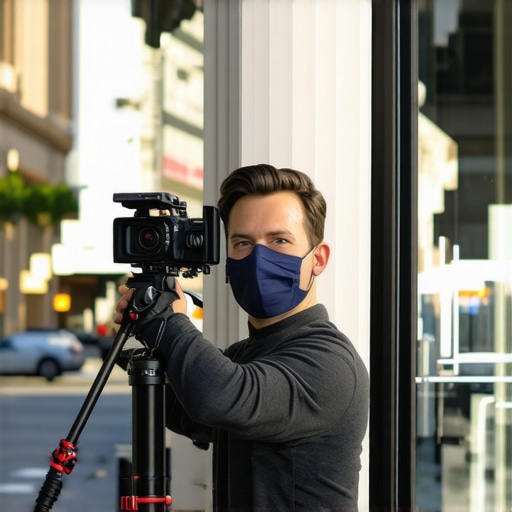
Image prompt: A small business owner filming a welcoming storefront in downtown Columbus during daytime, with signage visible and natural light highlighting the scene.
Engage Customers with Interactive Features
Utilize Google Posts to share updates, special offers, or events regularly. This keeps your profile active and signals local relevance. I experimented by posting weekly updates about community events, which increased profile visits and call inquiries. Incorporate call-to-action buttons like “Call now” or “Book online” to encourage direct engagement. These features not only improve user experience but also contribute positively to your rankings.
Respond to All Reviews Promptly
Customer reviews are vital signals for Google Maps rankings. I made it a personal goal to reply to every review within 24 hours, whether positive or negative. This responsiveness demonstrates active management and builds trust. For negative reviews, acknowledge the concern and offer a solution, turning a potentially damaging comment into a brand-strengthening opportunity. Having an active review management strategy aligns with the latest [Google My Business hacks](https://columbuslocalseo.com/google-my-business-columbus-secret-hacks-to-increase-visibility) for bolstering local presence.
Many business owners assume they have a solid grasp on Columbus local SEO, but in reality, there’s a wealth of nuanced misconceptions that can hinder your progress. Let’s dig deeper into some of these hidden pitfalls. One prevalent myth is that merely optimizing your Google My Business (GMB) profile once is enough—nothing could be further from the truth. The algorithms are constantly evolving, and so should your strategies. Regular updates, fresh content, and ongoing review management are essential to stay ahead. For instance, neglecting to leverage the latest video verification tactics can leave your business invisible to local customers, especially in a competitive market like Columbus. Furthermore, many believe that focusing solely on keyword stuffing or basic citations will secure top ranks. Actually, advanced strategies such as strategic citation management, engagement metrics, and authenticity signals carry more weight in Google’s eyes.
Are You Falling for Over-Simplified SEO Tricks That No Longer Work?
A compelling study from Moz highlights that local SEO ranking factors now heavily emphasize user engagement, explicit verification, and multimedia content, particularly videos. Relying on outdated tactics like generic keyword insertion or ignoring the importance of authentic visual proof can be costly. An often-overlooked mistake is underestimating the importance of local signals—like customer reviews and interaction rates—that verify your business’s relevance. To master these nuances, check out comprehensive guides such as these advanced Columbus SEO tactics or learn how to optimize your profile for the latest algorithm changes. Keep in mind, successful local SEO is not a set-it-and-forget-it process; it requires ongoing refinement. Don’t fall into the trap of complacency—your competitors surely aren’t.
One big mistake I see many businesses make is ignoring the subtle signals Google values—like consistent NAP information across directories or genuine customer interactions. These hidden signals can dramatically influence your visibility. For example, maintaining up-to-date citations and actively managing reviews can be the difference between appearing in the coveted Map Pack or remaining invisible. Remember, Google doesn’t just look at static data but at real-time engagement and authenticity. Avoid the trap of thinking that once you’re listed, you’re set for good. Instead, commit to a continuous process of optimization and engagement, as discussed in these proven tactics. Have you ever fallen into this trap? Let me know in the comments.Maintaining a strong local SEO presence in Columbus requires more than initial setups; it demands consistent effort and the right tools to stay ahead of evolving algorithms and competition. One tool I personally swear by is BrightLocal. It offers comprehensive citation tracking, review management, and local search data analytics. With BrightLocal, I can monitor my NAP consistency across hundreds of directories and swiftly fix inconsistencies that can hurt rankings. Its review tracking feature helps me respond promptly, building trust with customers and signaling engagement to Google, which is crucial in today’s SEO landscape. Regular audits with BrightLocal have proven invaluable, especially when I notice ranking dips that could stem from citation or review issues.
Another indispensable asset is SEMrush. While many associate it with global SEO, its local SEO modules provide granular insights into keywords, local competitors, and Google Maps performance. I use SEMrush to identify new local keyword opportunities, analyze my competitors’ GMB tactics, and track my progress over time. The depth of data helps me tailor my content and profile updates to match the latest trends, ensuring my Columbus business remains visible and relevant.
To streamline content creation and optimize visuals, Canva is my go-to. Creating eye-catching videos and images that adhere to Google’s visual standards is simplified with Canva’s templates and editing tools. Since Google favors multimedia content in local profiles, I produce images with local landmarks and relevant keywords embedded in captions, which have consistently improved my engagement metrics.
Predicting future trends, I believe AI-driven SEO tools will become even more integral. They will help automate routine tasks like review response and profile updates while suggesting real-time optimizations based on algorithm shifts. Staying adaptable in this space means leveraging these advanced tools now, testing their insights, and adjusting your strategy accordingly.
How do I keep my local SEO efforts sustainable over time?
Consistency is key. I set monthly check-ins to audit citations, respond to reviews, and refresh content. Automation tools like Hootsuite for scheduling Google Posts ensure ongoing engagement without daily manual effort. Additionally, keeping an eye on industry updates—such as Google’s local algorithm change announcements at this resource—helps me adapt proactively.
One advanced tactic I recommend trying is integrating Google My Business post automation with tools like Zoho Social or Sprout Social. Automating updates and offers saves time and keeps your profile active, signaling relevance to Google. While automation is helpful, always review content to ensure local relevance and authenticity.
In conclusion, combining robust tools like BrightLocal and SEMrush with consistent manual effort allows me to maintain a steady upward trajectory in Columbus local search rankings. As algorithms evolve, so should your toolkit and tactics. Embrace these technology-driven methods, and you’ll find it easier to stay on top in Ohio’s competitive local search landscape. For an overview of how to implement these tools effectively, check out this comprehensive guide.
What I Wish I Knew About the Hidden Signals That Influence Your Columbus Map Rank
One of the most eye-opening lessons I learned was that consistent NAP information across all directories isn’t just administrative; it’s a powerful local ranking factor. I used to overlook minor discrepancies, but I soon realized that Google sees these inconsistencies as red flags, lowering my visibility. Regular audits and synchronization of my citations became a game-changer, teaching me that persistence beats shortcuts.
Another insight was that authentic video content isn’t a luxury—it’s a necessity. Early in my journey, I underestimated the impact of genuine, location-specific videos on my Google Maps ranking. When I started showcasing real scenes from my Columbus shop, the algorithm rewarded my efforts with improved visibility. This underscored that authenticity in visual proof builds trust with both Google and potential customers.
Lastly, I discovered that engagement metrics like review responses and post updates are more impactful than I initially thought. My initial approach was reactive, but I learned that actively managing reviews and posting local news or offers increases relevance signals, propelling my business higher in local searches. The lesson? Ongoing interaction reinforces your presence in Columbus’s competitive map ecosystem.
My Toolkit for Staying Ahead in Columbus Local SEO
Over time, I’ve come to rely on certain tools that keep my local SEO efforts efficient and effective. BrightLocal has been invaluable for citation management and review tracking, helping me ensure consistency and engagement. SEMrush offers deep insights into local keywords and competitor tactics, guiding my strategic decisions. Canva simplifies creating engaging visuals and videos, which are crucial for the latest algorithm preferences. Additionally, staying updated with industry blogs like these resources ensures I adapt to evolving trends.
Integrating these tools into my routine has made my Columbus SEO journey both sustainable and scalable, proving that the right resources can transform how you connect with local customers.
Keep the Momentum Going: Your Next Steps in Local SEO
Now, it’s your turn to seize the opportunities that Pennsylvania’s local search landscape offers. Embrace multimedia content, maintain meticulous citation consistency, and actively engage with your community through reviews and posts. Remember, local SEO is a marathon, not a sprint—regular effort and smart tool use will differentiate your Columbus business from the competition. Are you ready to implement these strategies and elevate your visibility? Share your thoughts or questions below; I’d love to hear about your journey toward local SEO success.
0 Comment