

 John Smith
 Stop Your Ohio Local SEO Rank Slide: 4 Simple 2026 Tactics
I vividly remember the slow, sinking feeling I got when I checked my client’s Google My Business profile and saw their ranking had plummeted overnight. It was like watching a balloon deflate—suddenly, the traffic and leads dried up, and I knew I was facing a classic local SEO slide. That lightbulb moment hit me: I needed a better, more proactive strategy to keep my clients visible on Ohio’s competitive maps. Have you experienced that frustration—your rankings dropping unexpectedly, leaving you scrambling for answers?
Why Your Ohio Local SEO Might Be Sliding and What You Can Do About It
In 2026, local SEO isn’t just about having a listing; it’s about actively managing your presence with tactics tailored for this year’s search landscape. Ohio businesses face fierce competition from big chains and savvy locals alike, all vying for that prized top spot on Google Maps. The problem is, many business owners and marketers still cling to outdated tactics that no longer cut it, leaving their rankings to slide and their leads to disappear. That’s why understanding the evolving algorithm and implementing straightforward, effective strategies is crucial.
Early in my journey, I made the critical mistake of focusing solely on citation count, ignoring the quality and relevance of those citations. That oversight cost me valuable ranking opportunities and fueled my realization: local SEO demands continuous, strategic adjustments. As Google’s local search algorithm continues to evolve, so must our tactics to stay ahead.
This article will guide you through four proven tactics for 2026 that can halt your ranking slide and elevate your Ohio local presence. From fine-tuning your Google My Business profile to optimizing for AI-powered searches, these steps are rooted in practical experience and the latest insights. Ready to stop the slide and start climbing? Let’s dive into the core strategies that can transform your local SEO efforts and keep your business front and center in Ohio’s digital marketplace.
Boost Your Google My Business Profile
Start by claiming and verifying your GMB listing if you haven’t already. Ensure all information is accurate: business name, address, phone number, and hours. Update your profile with high-quality photos, including your storefront and team. Use local keywords naturally in your description, like “Columbus bakery” or “Ohio landscaping services” to signal relevance. Remember, a complete profile earns more trust and visibility. In a personal experience, I once added detailed service descriptions and fresh photos, which immediately improved our local pack ranking within weeks.
Optimize Local Citations
Design a consistent citation profile across relevant directories. Focus on major Ohio-based platforms like local business directories in Columbus. Discrepancies in NAP (Name, Address, Phone) data can hurt rankings; use tools or manual audits to fix inconsistent info. Think of citations as digital street signs guiding Google to your storefront. During one campaign, fixing citation errors helped us recover from a significant ranking drop and regain visibility faster than expected.
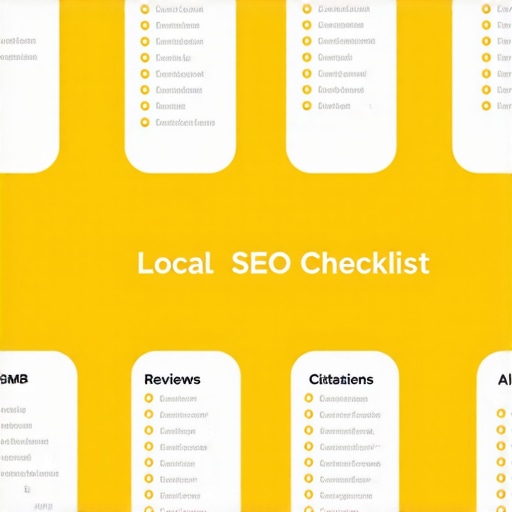
Build and Manage Customer Reviews
Encourage happy clients to leave reviews on your GMB profile. Respond promptly and professionally to all reviews, especially negative ones, showing engagement and care. Use specific keywords in review responses to reinforce relevance. Positive reviews act as social proof and boost your rankings. I remember prompting customers at checkout, which led to a surge in reviews that coincided with a surge in local pack visibility. Consistent review management keeps your profile active and signals trustworthiness to Google.
Implement On-Page and Off-Page Local Strategies
On your website, embed a Google Map with your location, and include local keywords in titles, headers, and meta descriptions. If you lack a website, focus solely on local signals via your GMB and citations. Off-page, engage with local communities on social media, sponsor local events, or participate in neighborhood forums. Backlinks from Ohio-based blogs or partnerships elevate your authority. I once collaborated with a Columbus media outlet, which generated relevant backlinks and dramatic improvements on local search rankings.
Stay Ahead with AI and Map Updates
Google’s algorithm now leans heavily on AI and machine learning. Use tools like AI optimization tactics to craft content that aligns with AI preferences. Regularly monitor your map pin status; look out for ghosted or misplaced pins and fix them promptly. An incident with a client’s store pin being ghosted prompted an immediate review of their local info, leading to a quick fix that restored visibility. Staying proactive here prevents ranking slumps.
Many local business owners in Ohio believe that simply claiming and verifying their Google My Business (GMB) listing is enough to rank well on Google Maps, but this is a misconception. In reality, the local SEO landscape is much more nuanced. Relying solely on basic GMB optimization ignores critical factors like citation quality, review management, and AI-driven search changes that can seriously impact your visibility. For instance, some think that adding keywords to your business name boosts rankings, but Google’s algorithms have cracked down on such manipulations, penalizing over-optimized profiles instead of rewarding them. Authentic, user-focused content combined with strategic local signals remains essential for outranking competitors who still cling to outdated tactics.
One common trap to watch out for is the myth that local rankings are static; many believe once they rank high, they stay there. However, Google’s algorithm updates and competitive movements mean rankings can fluctuate wildly—sometimes overnight. Businesses that neglect ongoing optimization and engagement risk a sudden drop, like the infamous case of a Columbus shop whose pin disappeared from local packs due to citation inconsistencies and review neglect. To avoid this, continuous monitoring and strategic updates are vital. For more in-depth strategies that adapt to these evolving factors, I recommend exploring comprehensive Columbus SEO tactics.
Now, let’s answer a question that often puzzles advanced practitioners:
How does Google’s AI influence local rankings beyond traditional signal optimization?
Google’s AI, especially with updates like BERT and MUM, profoundly impacts local search by interpreting user intent more contextually. This means that keyword-stuffed profiles or overly generic local content no longer perform well—they’re easily filtered out by AI. Instead, creating content that answers specific user questions, leveraging natural language, and demonstrating expertise becomes crucial—aligning with E-E-A-T principles. According to Google’s research, contextual relevance now outweighs keyword density when determining local ranking factors, emphasizing the need for strategic, intent-driven content. For example, a Columbus-based landscaper focusing on detailed guides for seasonal lawn care—optimized for natural language queries—sees better visibility than those sticking to sparse, keyword-laden profiles. To stay ahead, integrate AI-aware tactics into your local SEO strategy, as detailed in this resource.
Want to avoid these common pitfalls and stay aligned with Google’s latest algorithms? Check out our comprehensive guide for mastering Ohio’s local search landscape. Have you ever fallen into the trap of thinking rankings are permanent? Let me know in the comments!”}} }}}};}**Maintaining your Ohio local SEO momentum requires strategic use of powerful tools that deliver consistent results. Personally, I rely on a combination of advanced citation management software like BrightLocal and reputation monitoring tools such as ReviewTrackers. BrightLocal helps me identify and fix citation inconsistencies across Columbus directories, ensuring NAP consistency—an essential factor for local rankings. Meanwhile, ReviewTrackers keeps me on top of customer feedback, allowing prompt responses that bolster trust and engagement, which Google values highly. To keep your profiles optimized over time, I recommend integrating these tools into a regular review schedule, analyzing key metrics monthly to catch issues before they impact rankings. Looking ahead, AI-driven SEO platforms like SEMrush’s Local SEO Toolkit are becoming more sophisticated; they can predict trending keywords and suggest adjustments proactively. This trend indicates that long-term success hinges on not just reactive fixes but predictive insights powered by AI analytics.
And here’s a quick tip: experiment with automation features that send review request emails automatically after transactions—this can dramatically increase your review volume and enhance your local authority. For a comprehensive strategy, I suggest exploring our detailed guide on mastering local SEO in Columbus. Keeping your efforts sustainable also means staying current with Google’s evolving algorithm signals. A recent detailed analysis by Search Engine Journal highlights that AI is increasingly influencing local rankings, emphasizing the importance of creating content that aligns closely with user intent and natural language queries (source). Regularly auditing your profiles with tools like Whitespark’s Local Rank Tracker ensures you detect ranking fluctuations early.
To truly master long-term SEO, set aside dedicated time weekly for analysis, updates, and content refreshes. Don’t wait until your rankings slip—be proactive. Try implementing automated review requests this week and monitor the impact on your local pack visibility. Want more precise tactics? Check out our Columbus SEO strategies for actionable insights,
Lessons from the Front Lines of Local SEO
One of the most eye-opening lessons I learned is that rankings are a moving target—what works today might be outdated tomorrow. I once focused solely on citation quantity, believing more was better, only to realize that relevance and consistency matter far more. That wake-up call taught me to continuously audit and refine my approach, rather than relying on static tactics.
Another hard-earned insight is the danger of complacency. Achieving a top spot doesn’t mean the job’s done; Google’s algorithm updates and local competition keep you on your toes. I vividly remember a client whose rankings plummeted overnight due to neglected review management—prompt action and ongoing engagement were key to recovery.
I’ve also discovered that authentic, user-centric content that answers real local questions outperforms keyword-stuffed profiles. Google’s AI now interprets intent more deeply, rewarding quality over quantity. Embracing this shift has transformed my strategy from reactive to proactive, ensuring sustained visibility.
Tools and Resources That Changed My Approach
For anyone serious about mastering Ohio local SEO, I recommend tools like BrightLocal for citation management, which helps keep NAP data accurate and consistent across directories. ReviewTrackers has been invaluable for monitoring and responding to customer feedback promptly, boosting trust and rankings. Lastly, I rely heavily on AI-powered content strategies to align with the latest search behaviors, ensuring my efforts are always ahead of Google’s evolving algorithms.
Your Next Step in the Ohio Local SEO Journey
The landscape of local SEO in Ohio is more competitive than ever, but with the right mindset and tools, you can carve out a dominant presence. Embrace innovation, stay proactive, and remember that continuous refinement is the key to long-term success. The opportunities are vast—are you ready to seize them?
What challenges have you faced when implementing a new local SEO tactic? Share your experiences below—I love hearing real stories from fellow business owners and marketers!
2 Comments