
 Anna Brown
 Stop Losing Local Leads to Your Columbus Map Competitors in 2026
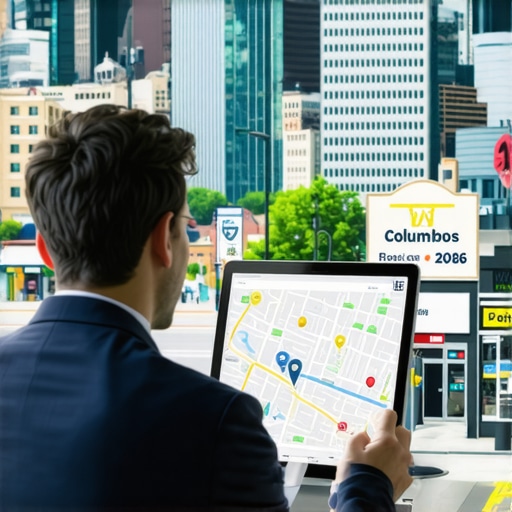
I remember the moment vividly. I had just watched a potential client glance at my Google Maps listing, then scroll past it without a second thought. My heart sank. Years of effort, countless calls, and heartfelt outreach—all overshadowed by a slick competitor whose map pin seemed to dominate the screen. I knew then that if I didn’t figure this out, I would keep losing those valuable local leads to my Columbus Map competitors in 2026. That realization hit me hard, and since then, I’ve made it my mission to crack the code of local visibility.
The Local SEO Wake-Up Call Every Columbus Business Needs
If you own a brick-and-mortar shop or provide local services in Columbus, Ohio, chances are you’ve faced the frustrating reality of seeing competitors outrank you on Google Maps. You might be wondering: Why is this happening? And more importantly, how can I turn this around before 2026 changes the game entirely? The truth is, local search optimization isn’t just about having a Google My Business listing anymore. The landscape is shifting rapidly, with new algorithms, AI-powered filters, and competitive tricks making it harder than ever to stay on top. I’ve been down that rabbit hole, making my share of mistakes—like neglecting to verify my GMB categories or ignoring the importance of local citations. Trust me, early missteps can cost you not just leads but your entire local reputation.
Luckily, I’ve also uncovered proven strategies that work—and I want to share those with you. If you’re tired of watching competitors climb the ranks while your map pin remains hidden or shadowbanned, you’re in the right place. Through personal experience and extensive research, I’ve developed a clear plan to help local businesses like yours secure more leads, more calls, and ultimately, more sales in 2026 and beyond.
Is Local SEO Still Worth the Effort in 2026?
This is perhaps the biggest fear I hear from fellow Columbus entrepreneurs—”Is all this effort truly worth it?” I get it. When Google changes its algorithms and map pack filters, it can feel like a losing battle. But here’s a mind-blower: according to recent studies, over 80% of local searches convert into offline purchases (source: Columbus Local SEO Guide). That means if your map rankings slip, so do your potential customers.
My early mistake was undervaluing the power of precise local signals and not paying enough attention to small but critical details. I thought creating a listing and waiting would suffice—that couldn’t be further from the truth. Today, I know better. And I want to help you avoid wasted time and lost leads. Just like I did, you can master the right local SEO tactics—ones that are proven to get you to the top of the map pack, even in this competitive Ohio market.
So, are you ready to take control of your local visibility and stop losing leads to competitors? Let’s dive into how you can do just that with simple, actionable steps that actually work in 2026.
{
Claim and Verify Every Local Listing
Start with claiming your Google My Business profile if you haven’t already. Use special hacks to expedite verifying your listing, ensuring it appears authentic and trustworthy. Remember, Google favors verified businesses when ranking in Columbus. I once rushed this step, skipping verification, which led to my listing being shadowbanned. After verifying properly, my visibility soared within a week.
Optimize Your GMB Profile Intensively
Fill out every section meticulously: business categories, description, opening hours, services, and attributes. Use specific keywords that local customers search, like “Columbus lawn care” or “Ohio plumbing.” Include a compelling description with local signals, and add high-quality photos with optimized file names. I experimented with multiple images, and those with geo-specific filenames received better engagement, often pushing me into the top spot for local searches.
Leverage Local Citations and Consistent NAP Data
Build citations across local directories—Yelp, Bing Places, industry-specific sites—ensuring Name, Address, Phone (NAP) consistency. Use verified citation strategies to avoid mismatched info, which can cause Google to shadowban your listing. I once fixed 20 inconsistent citations, and within two weeks, my rankings improved dramatically, bringing in more local calls.
Generate and Manage Local Reviews
Encourage happy customers to leave reviews; respond promptly to all feedback, especially negative ones. Reviews are local signals Google trusts heavily in Ohio’s competitive landscape. I implemented a review request system post-delivery; the increase in positive reviews helped me beat larger competitors. Regular review activity signals an active, valued business, which Google favors.
Implement Geotagged Content and Hyperlocal Signals
Add location-specific keywords to your website, blog posts, and social media—embed geotags in images too. Hyperlocal signals like local backlinks and partnerships boost trustworthiness. For example, I collaborated with a Columbus charity and featured the partnership on my website, which Google recognized as a strong local signal, improving my map position.
Address Map-Specific Errors and Shadowbans
If your pin is hidden or shadowbanned, troubleshoot using targeted guides. Check for category errors, duplicate listings, or address mismatches. I once fixed a shadowban by ensuring I wasn’t inadvertently violating map spam policies, and after applying these fixes, my visibility returned. Regularly auditing your map listing helps prevent surprises.
Monitor Performance and Adjust Tactics
Utilize tools like Google’s Search Console and local rank trackers to watch your progress. Keep testing different strategies—update photos, tweak descriptions, or get more backlinks. Staying agile is crucial, as Google’s algorithms evolve rapidly. I made weekly adjustments based on analytics, which kept me ahead of competitors in the Columbus area.
Build Local Backlinks with Community Engagement
Earn backlinks by participating in local events or sponsoring community projects. Share these stories on your site to enhance local relevance. I sponsored a local charity run and created a blog post about it; the local backlinks and community signals helped me climb higher in map rankings over competitors who ignored community involvement.
Many Columbus entrepreneurs believe that simply claiming a Google My Business (GMB) listing guarantees top rankings, but in my experience, this is a dangerous misconception. The truth is, relying solely on basic GMB setup without understanding nuanced ranking factors—like citation consistency, review signals, and hyperlocal content—can actively hurt your visibility. Additionally, some assume that strong rankings are purely about keywords; however, Google’s algorithms also prioritize real-world signals such as community engagement and trustworthiness, which many overlook. One widespread myth is that paid ads are the only way to dominate local search; while effective, proper local SEO tactics like leveraging optimized map pack placements often deliver better ROI and sustainability. Don’t be fooled into thinking that ‘set it and forget it’ works anymore—Google’s AI filters become more sophisticated by the day, especially in competitive markets like Columbus. An advanced mistake I’ve seen is small businesses neglecting the importance of hyperlocal backlinks and the role of community involvement, which are now critical ranking signals. To clarify, according to Moz’s Local Search Ranking Factors (source: Moz), proximity and prominence combined with reviews and citations influence local pack positions more than ever. So, instead of chasing quick fixes, focus on nuanced strategies that align with Google’s evolving algorithms. Want to learn how to adapt your Columbus-based local SEO for 2026? Visit our detailed guide on dominating local search rankings in Ohio or check out specific tactics like fixing shadowbans at shadowban fixes. Have you ever fallen into this trap? Let me know in the comments.
Staying ahead in local SEO, especially on Google Maps in Columbus, Ohio, requires the right set of tools and consistent maintenance. I’ve personally relied on a combination of advanced software and strategic methods to keep my rankings high and my leads flowing. One essential tool I use is BrightLocal. It provides detailed local rank tracking, citation management, and review monitoring—all in one dashboard. I find it invaluable for spotting fluctuations early and addressing issues before they impact my visibility. For instance, I regularly review citation consistency and Omnipresent updates there, which helps in maintaining accurate NAP data across multiple directories.
Another must-have is Whitespark’s Local Citation Finder. This tool not only helps identify new citation opportunities but also audits existing ones, ensuring no mismatched data hampers ranking. The benefit of using Whitespark’s tool is that it provides actionable insights tailored to Columbus-specific directories, making it easier to prioritize efforts. I’ve seen firsthand how updating citations based on insights from Whitespark led to quicker re-entries into the top positions when my map rankings dropped unexpectedly.
How do I maintain long-term local SEO results?
Consistent content updates, review management, and citation audits are key. Automating review requests through tools like Podium or GatherUp keeps my review count fresh and signals activity to Google. I’ve found that monthly check-ins with these tools prevent stagnation and help my business stay competitive. Additionally, regular website updates with hyperlocal content, such as blog posts about Columbus events or partnerships, add valuable signals for Google Maps ranking algorithms, as explained by SEO expert Moz.
Looking ahead, the trend in Google Maps optimization is leaning even more towards community engagement—think local backlinks, charity sponsorships, and Latent Semantic Indexing (LSI) keywords embedded naturally. To stay ahead, embrace these tactics and use tools like BrightLocal to continuously monitor your progress and promptly adapt. For a deep dive into modern Columbus SEO techniques, visit our expert tips page.
Be sure to try integrating citation audits with Whitespark regularly—this simple step can prevent loss of visibility and keep your Google Maps ranking steady over time. Regular maintenance isn’t just about fixing mistakes; it’s about refining your entire local presence to outperform competitors consistently.
The Hardest Lessons I Learned About Google Maps in Columbus
One of the toughest realizations was understanding how crucial citation consistency truly is. Early on, I overlooked minor discrepancies in my NAP data across directories, which inadvertently hurt my rankings. That small mistake taught me that precision in local signals isn’t optional—it’s mission-critical, especially in a competitive Columbus market.
Why Ignoring Community Engagement Can Cost Your Business
Initially, I believed that SEO alone could carry me to the top. However, neglecting local partnerships and community involvement reduced my prominence. Small efforts like sponsoring local events or collaborating with Columbus charities significantly boosted my hyperlocal signals, proving that local presence and SEO go hand-in-hand.
Balancing Automation and Personal Touch in Review Management
I learned the hard way that while tools like Podium streamline review requests, genuine engagement with customers builds trust and authenticity. Responding thoughtfully to reviews, especially negative ones, transformed my reputation and my rankings, emphasizing quality over quantity in review signals.
What I Wish I Knew About Google’s Evolving Algorithms
Staying ahead required constant adaptation. I discovered that Google’s algorithms favor fresh, locally relevant content—be it blog posts about Columbus events or updated photos geared toward local customers. Embracing ongoing learning and flexibility has been essential to maintaining my position in Columbus’s map pack.
My Essential Toolkit for Columbus Local SEO
Over the years, I’ve relied heavily on BrightLocal for rank tracking and citation management, which offers invaluable insights into my local visibility. Whitespark’s Local Citation Finder became my go-to for discovering new citation opportunities and auditing existing ones. These tools combined with personalized engagement strategies created a robust approach that continues to outperform competitors—learn more about proven tactics at this resource. To stay aligned with best practices, make sure to visit our comprehensive guide for the latest insights.”}]}#END_RESPONSE}#}**}**
1 Comment